Saturday, June 9, 2012

Shop the Store Perimeter for Healthier Choices


Shop the Store Perimeter for Healthier Choices

Make your next trip to the grocery store as healthy as possible by shopping the perimeter of the store.

The perimeter of the  store is  where all the fresh foods are. The less you find yourself in the middle aisles of the grocery store, the healthier your shopping trip will most likely be. Make it a habit—work the perimeter of the store for the majority of your groceries, then go into the aisles for the things you know you need.

For the most part this works; it makes it easier to avoid the junk food, sugary and fried stuff and stick to a healthy shopping list.
Gary Rumel, Corrective Therapist

Tuesday, May 15, 2012

Migraine


Migraine
A migraine is a type of headache that may occur with symptoms such as nausea, vomiting, or sensitivity to light. In many people, a throbbing pain is felt only on one side of the head.
Some people who get migraines have warning symptoms, called an aura, before the actual headache begins. An aura is a group of symptoms, including changes in vision. This is a warning sign that a bad headache is coming.


 Symptoms
Vision disturbances, or aura, are considered a "warning sign" that a migraine is coming. The aura occurs in both eyes and may involve any or all of the following:
  • A temporary blind spot
  • Blurred vision
  • Eye pain
  • Seeing stars or zigzag lines
  • Tunnel vision
Other warning signs include yawning, difficulty concentrating, nausea, and trouble finding the right words.
Not every person with migraines has an aura. Those who do usually develop one about 10 - 15 minutes before the headache. However, an aura may occur just a few minutes to 24 hours beforehand. A headache may not always follow an aura.
Migraine headaches can be dull or severe. The pain may be felt behind the eye or in the back of the head and neck. For many patients, the headaches start on the same side each time. The headaches usually:
  • Feel throbbing, pounding, or pulsating
  • Are worse on one side of the head
  • Start as a dull ache and get worse within minutes to hours
  • Last 6 to 48 hours
Other symptoms that may occur with the headache include:
  • Chills
  • Increased urination
  • Fatigue
  • Loss of appetite
  • Nausea and vomiting
  • Numbness, tingling, or weakness
  • Problems concentrating, trouble finding words
  • Sensitivity to light or sound
  • Sweating
Symptoms may linger even after the migraine has gone away. Patients with migraine sometimes call this a migraine "hangover." Symptoms can include:
  • Feeling mentally dull, like your thinking is not clear or sharp
  • Increased need for sleep
  • Neck pain
Alcohol, stress and anxiety, certain odors or perfumes, loud noises or bright lights, and smoking may trigger a migraine. Migraine attacks may also be triggered by:
  • Caffeine withdrawal
  • Changes in hormone levels during a woman's menstrual cycle or with the use of birth control pills
  • Changes in sleep patterns
  • Exercise or other physical stress
  • Missed meals
  • Smoking or exposure to smoke
Migraine headaches can be triggered by certain foods. The most common are:
  • Any processed, fermented, pickled, or marinated foods, as well as foods that contain monosodium glutamate (MSG)
  • Baked goods, chocolate, nuts, peanut butter, and dairy products
  • Foods containing tyramine, which includes red wine, aged cheese, smoked fish, chicken livers, figs, and certain beans
  • Fruits (avocado, banana, citrus fruit)
  • Meats containing nitrates (bacon, hot dogs, salami, cured meats)
  • Onions
This list may not include all triggers
Only an experienced health care provider can determine whether your symptoms are due to a migraine or another condition.
Fitworks Corrective Therapy has helped many clients with migraine and headaches.  By lining up the spine the headaches and migraines have gone away in many clients.

Gary Rumel, Corrective Therapist

Thursday, May 3, 2012

Still drinking coca cola?

Still drinking coca cola? Watch this!

Saw this video today and had to share.  Another reason to stop drinking cola products.  This video says it all.  Think before you drink!

Gary Rumel, Corrective Therapist 


Saturday, April 28, 2012

Deep Fried Foods


Deep Fried Foods

Deep fried foods are weapons of mass destruction to your body. Remove deep fried food from your diet. Never eat anything that is deep fried.

Deep-frying is a method of cooking which involves submerging food in pre-heated fat or oil at high temperatures. Overheating or over-using the frying oil leads to the formation of rancid-tasting products and harmful or even toxic compounds such as acrylamide. In 2002  a team of Swedish researchers announced that many common foods, especially those that are fried, contain a potentially cancer-causing  chemical called acrylamide. 

High Calories
Deep fried foods are high in calories which increase your risk of gaining weight and becoming obese. Oils used to fry foods provide 9 calories per gram, compared to carbohydrates and proteins which each provide 4 calories per gram. Foods absorb the oil during frying, increasing the total fat content of the products you consume. 

Cardiovascular Risk
Foods deep-fried in oils containing saturated fat or trans fat increases your risk of coronary heart disease, a condition characterized by narrowing or blockage of the coronary arteries, usually caused by atherosclerosis, that can lead to blood clots, heart attack and stroke. Atherosclerosis is characterized by deposits of plaque made of fat, calcium and other substances in the blood that clog the arteries. 

Diabetes Risk
Deep frying at 356 degrees Fahrenheit produces chemicals called advanced glycation end products. Advanced glycation end products increases oxidant stress and inflammation, which are associated with diabetes and cardiovascular disease.

Changes In Flavor and Nutritional Composition
Deep-frying affects the flavor and nutritional composition of the food. Scientists report that deep-frying changes the flavor and stability of the oil and degrades essential amino acids, fatty acids and antioxidants, such as tocopherols, in foods. Scientists also report that frying oils oxidize and decrease the nutritional value and safety of the foods.


Gary Rumel, Corrective Therapist


Friday, April 27, 2012

Fibromyalgia


Fibromyalgia

Fibromyalgia is a common syndrome in which a person has long-term, body-wide pain and tenderness in the joints, muscles, tendons, and other soft tissues.  It feels like arthritis is in the
muscles. Fibromyalgia has also been linked to fatigue, sleep problems, headaches, depression, and anxiety.

I have helped a number people with fibromyalgia and the following guidelines were the answers to cure them.
  •  Light exercise and movement patterns
  • Stretching
  • Massage
  • Eating clean
  • Always eat fresh fruits and vegetables
  •  Stay away from package foods (too many preservatives in them)
  • Cut the caffeine, carbonation and aspartame out of your life
  • Remove refined sugar and white flour out of the diet
  • Say no to high fructose corn syrup 
  •  Avoid deep fried foods
  •  No dairy
  •  No gluten


Their bodies were in a state of disease working and fighting against itself.

Gary Rumel, Corrective Therapist

Wednesday, April 25, 2012

The Cure for Unhealthy is Healthy


The Cure for Unhealthy is Healthy  

I truly believe the cure for being unhealthy is getting healthy.  Even small changes can make big differences.  Review you lifestyle and see what three things you can change to improve your health. Make those three changes and work on them for a month or two. See how much better you feel.    Once you have incorporated those changes in your life choose three more.  Move forward with small changes and it will be amazing what a difference a year will make.

Here is a checklist of some things you can do for your body

  • Go to a medicine doctor, he will give you medicine
  • Go to a surgeon, he will do surgery
  • Go to a physical therapist, he will get you functional    
  • Go to a chiropractor, he will adjust your joints
  • Go to a nutritionist, he will teach you about nutrition
  • Go to a massage therapist, he will give you a massage
  • Go to a dentist, he will work on your teeth
  • Go to Fitworks Corrective Therapy, to increase your flexibility and build specific muscle groups to line up and stabilize your joints for perfect posture and function
What do you want to do?  What’s best for your overall health? What will make you feel better long term? You do have choices.


Gary Rumel, Corrective Therapist

Tuesday, April 24, 2012

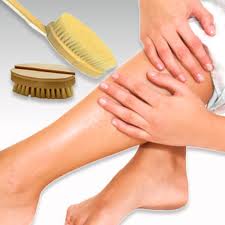
Dry Skin Brushing


Dry Skin Brushing

Your skin is your largest elimination organ. It can release a pound of waste each day and will be the first organ to show symptoms of imbalance or toxicity.

The skin is often called the 3rd kidney because it eliminates a quarter of the toxins from the body (the lungs are the 2nd kidney). If your skin cannot efficiently release toxins, you may experience rashes, acne, hives, itchiness, body odor, or even eczema and psoriasis. Dead skin cells, excreted wastes and external pollution (including dirt and skin care products) can build up and clog your pores. Clogged pores inhibit your skin from effectively releasing toxins.
If toxins are unable to escape through the skin they will either be stored in fat cells, contributing to cellulite and other fatty deposits, or they will be re-circulated back into the blood stream, overworking the kidneys, liver and other detox organs. Dry skin brushing can have a huge overall impact on your whole body health. 

Benefits of Dry Skin Brushing

Everyone knows that exfoliating the skin is great for good looking skin. But did you know it’s also an essential tool for good circulation, strengthening the immune system, stimulating the nervous system, toning the muscles and improving digestion? Here is a list of some of the benefits of dry skin brushing:
  • Stimulates blood and lymph flow. The lymphatic system is an important part of your cleansing and immune system. White blood cells called lymphocytes carry nutrients to cells and remove waste. The lymph flows outside of the circulatory system to bathe, cleanse and restore all of our cells, but it must be returned to the blood vessels to dump its waste. It does this through tiny lymph vessels with one-way valves to the heart. If we don’t move the lymph quickly enough we end up with swollen tissues, particularly in the ankles. Exercise, massage and skin brushing help to speed the process and clear the lymphatic system.
  • Removes dead skin cells. Dry skin is a sign of detoxification. It is important to remove the dead cells to keep from clogging the system. This will also improve skin texture and renew the skin cells.
  • Stimulates the hormone and oil glands. With daily brushing and bathing, the skin can produce the oil needed to stay healthy. Sweating is an important part of detoxification but when your system is clogged, you may experience foul body odor and extra work is put onto the bladder, kidneys and liver. With regular exercise and cleansing the skin, you will notice that your sweat no longer smells. However, with increased detoxing on your whole body cleanse, you may find it gets worse before it gets better.
  • Reduces cellulite. When you massage and stimulate the skin it begins to break up the toxic deposits of stored fatty tissues that pucker the overlying skin into cellulite.
  • Strengthens the immune system. Dry skin brushing can reduce the length of infections and illness by moving the toxins more quickly through the system and stimulating the lymph to move waste matter out.
  • Stimulates the nervous system, tones the muscles, tightens the skin. By stimulating nerve endings in the skin, this technique will rejuvenate your nerves and activate individual muscle fibers, resulting in toner muscles. The increased blood flow to skin, and removing of dead cells, stimulates the creation of new skin cells which tightens and regenerates overall skin health.
Selecting a Dry Skin Brush

Choose a brush that has natural fiber bristles and a long handle for reaching all of your back. Some have a removable handle and strap for using the brush without the handle. The bristles may feel too firm at first, but your skin will acclimate to this over time. If you have very sensitive skin, you may want to start with a softer brush or use a dry towel in the beginning.

How to Use Your Dry Skin Brush
  1. Brush your dry body before you shower or bathe, preferably in the morning.
  2. Start at your feet and always brush toward your heart. Use brisk circular motions or long, even strokes.
  3. Brush all the way up your legs, then over your abdomen, buttocks, and back. If you have cellulite on your hips and thighs, concentrate their a little longer. For complete dissolving of cellulite, brush for 10 minutes daily for several months.
  4. Brush lightly on sensitive areas and more firmly on areas like soles of the feet.
  5. When you reach your arms, begin at your fingers and brush up your arms, toward your heart. Brush your shoulders and chest down, always toward your heart.
  6. Avoid brushing anywhere the skin is broken or where you have a rash, infection, cut or wound.
  7. Finish by taking a shower and if you choose, use cold/hot therapy to further stimulate the lymphatic system and improve circulation.
  8. Dry off vigorously and massage pure plant oils into your skin such as almond, sesame, avocado, coconut, olive or cacoa butter.


Gary Rumel, Corrective Therapist
Fitworks Corrective Therapy
www.fitworksutah.com