Thursday, April 5, 2012

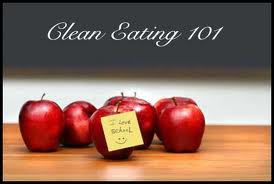
Clean Eating

Clean Eating


These are recommended clean eating guidelines. I’m not a nutritionist, but I have just read a lot of books on nutrition and know what works for me and many of my clients.


Let’s eat clean! What does that mean?


Well when it comes to protein you might want to eat nuts, beans, eggs, spinach, fish and chicken. 


Food for thought! On one Thanksgiving day my 6-year-old son Curtis said, "Please pass the turkey sweat." That is when I change my thoughts about gravy.  What really is gravy? What is sweat? Sweat is the toxins being released from the body. So when you eat gravy are you eating toxins that were released from the animal? Have you ever heard someone say, "Can you be sure to sear both side of that so that it traps the juices in the meat so it is more moist, tender and has more flavor?" What juices and flavors are they really trapping?  Sweat? Toxins for the animal? Beef sweat, turkey sweat, chicken sweat...


Limit your beef. Beef has a lot of saturated fat in it. So you will want to limit the amount of beef you eat.


Don’t eat pork! Never! Yes. I said NO TO PORK!  Why? Well pork is a pig for one thing and pigs have no sweat glands so it retains all of its toxins that it has in its body. A pig eats all the junk on the farm. And yes, the farmer feeds him the garbage. A pig is the only animal that eats its own feces, can you believe that! A pig eats its own waste. I personally don’t think pork is a clean meat. I’ll let you decide.


Don’t eat processes meats! Processed meats are everything the butcher couldn’t put on the shelf to sell, because you wouldn’t by it. It includes intestines, hearts, eyes, stomach, brain, kidneys all the guts. Would you buy a brain, take it home and cook it and then serve it to your family? You do that every time you stop by a fast food place and order a hamburger meal .They use every part of the animal in the hamburger. Yes, every part of the animal. They call it pink slime. Do you want to eat that stuff?  I don’t want to eat it! Processed foods can overwork your pancreas. The pancreas makes enzymes and insulin to regulate sugar.


All processed meats are garbage food. They are full of preservatives. They are full of pink slime, yes pink slime. It’s a filler to save money. For example beef, chicken, turkey, pork that are processed have pink slime in them. Pink slime is the other parts of the animal, everything but the bone. They soak the pink slime in ammonia to remove any of the bad bacteria. So when you eat that hamburger that said 100% beef it is the meat and a mixture of pink slime and ammonia. It's still 100% beef. Beef intestines and stomach etc. is defined by the law as beef. Beef is beef the question is how much is meat verses pink slime? Remember that’s processed meats like baloney, hot dogs, hamburgers, sausage, peperoni, etc. This is one of the reasons people are getting fat, sick, and have health problems. Remember you are what you eat! What are you?
 
Vegetables and fruits need to be fresh. You don’t want all of the extra sugar or salts and preservatives that came in canned and packaged foods. That’s right no canned or packaged foods. Packaged foods are garbage foods and they cost more money.


Eat clean fats. Clean fats are olive oils, avocado oils, salmon and other fish. Your body needs oils to burn fat. You want a body that burns fat as a fuel. You want clean fats in your body to help burn fat. Omega-3 helps supports cardiovascular health, joints, brain, and skin. Coconut oil boosts your metabolism and rids the body of sugar toxins and help eliminate sugar cravings.


What most of my clients do is they eat clean during the week. On their night out one time a week, they eat whatever they want. This really works well. What eventually happens is they drop the one "bad" day and replace it with a clean day because they want to feel healthy and that becomes the new craving.


You will want to eat clean and healthy all the time. Why? Because of the way you will feel. You stop craving junk food and start craving feeling good. You will make better choices for your body. You will be healthier and live longer.


Gary Rumel, Corrective Therapist
Fitworks Corrective Therapy

Healthy Eating Guidelines


Healthy Eating Guidelines

These are recommended healthy eating guidelines. I’m not a nutritionist, but I have just read a lot of books on nutrition and know what works for me and many of my clients. These are a few guidelines that I like to follow that help me to become healthier.  I’m sure there are many other guidelines you can add to this list. 

Before you eat something ask yourself, “Do I want my body to process the food I am about to eat?” Just asking this question helps me make better healthy choices.    

Remember a serving is about the size of a deck of cards.  
Only drink water. I like to add a slice of lemon to my water. Water flushes the toxins out off your body. There’s too much sugar in juice and alcohol. Get your sugar from fruits and vegetables. Don’t drink your calories.
Eat fiber. Fiber cleans out your intestines and decreases inflammation in your body.

Always have a protein with a carbohydrate. This will control the insulin response and have less sugar spikes in your blood. This will help you to not wear out your pancreas and risk getting diabetes.

Always eat raw fresh fruits and vegetables with every meal. Besides being loaded with vitamins and minerals they have live enzymes which help you to digest the proteins and carbohydrates you eat form breads, sugars and grains for maximum absorption of nutrients.  It’s recommended that you have at least 5 servings each of vegetables and fruits a day.

Always think fresh fruits and vegetables, never canned or packaged. Canned fruits are too high in sugar. Canned vegetables are too high in salt.

Potatoes and pastas are starchy and sticky in your digestive system.

Never eat deep fried anything. It’s clogging your arteries and it may cause you to have a heart attack some day.
Try not to eat past 7 pm.  Your body has to work too hard to process the food rather than using the energy to get a good night’s sleep. If you eat too close to bedtime you will not get a good night’s sleep. You need deep REM sleep each night. You should wake up every morning refreshed and full of energy. Your body needs rest to build and recover.

Gary Rumel, Corrective Therapist

Wednesday, April 4, 2012

Recommended Healthy Meals


Recommended Healthy Meals

These are recommended healthy ideas for meals. I’m not a nutritionist, but I have just read a lot of books on nutrition and know what works for me and many of my clients. This is how I eat. These are a few ideas.  There are many other ideas you can add to this list.  Also find a healthy cookbook for a base of ideas.

Remember a serving size needs to be about the size of a deck of cards. It’s better to eat many small meals than to eat a few large meals. Don’t eat until the point you are full!


Think never hungry and never full.  Meals are about the size of your fist. Eat maybe 2 meals and 2 snacks a day or maybe 2 meals and 4 snacks a day. Judge how much fuel or calories you need by your activity each day. You don't want to feel like your are starving or full.
  
Breakfast Ideas
  •  Cold Cereal. Find a cold cereal, find one you like. The cereal needs be high in fiber. Try cereals with nuts, fruit, etc. Almond milk is a really good alternative to cow’s milk. Compared to cow's milk, almond milk is the much healthier choice. Almond milk contains a wide variety of the vitamins and minerals that your body needs to function. Almond milk also contains high levels of antioxidants, so it can help prevent many types of cancer and slow the signs of aging. Almond milk is also great for those who can't drink cow's milk due to lactose intolerance, or a casein or gluten allergy; however, those with tree nut allergies should avoid almond milk because it could elicit a dangerous allergic reaction. While cow's milk contains high levels of calcium, and is fortified with vitamins A and D to help you meet your daily requirements of these vitamins, almond milk contains high levels of a wide range of necessary vitamins and therefore has a higher nutritional value than cow's milk. The only thing that cow's milk has more of than almond milk is protein; cow's milk has eight grams of protein per serving while almond milk has only one gram per serving.
  • Oatmeal. Be sure to cook oatmeal on the stove top not the microwave.  There are many studies that show cooking in the microwave can kill all the good nutrients. Nothing starts the day off better than a big bowl of warm oatmeal. This traditional breakfast dish has many benefits, particularly for the heart, that make it a smart choice. Here are seven reasons why oatmeal should be part of your normal diet. 1. Lowers cholesterol.  2. Boosts immune system 3. Special antioxidants for heart protection. 4. Stabilizes blood sugar.  5. Lowers risk of type 2 diabetes. 6. Prevents breast cancer. 7. Gluten-friendly. I love to add almonds and apples to my oatmeal for a nutty and fruity taste.
  • Smoothies. Try spinach, almond milk, any kind of fruit and vanilla protein in your smoothies. If you want a sweeter smoothie try adding blue agave nectar. Some people like their smoothies with ice. Whip all your favorite smoothie ingredients together in a blender for a refreshing and fresh whole food meal.
  • Eggs. Two eggs cooked anyway you want them and one whole grain wheat toast. The eggs are quality protein and loaded with B Vitamins.  The whole wheat grain is a good source of a complex carbohydrates giving you the energy you need with a slow release of sugar. 
Snack ideas
  • Smoothies. See breakfast meals.
  • An apple and a hand full of raw nuts.
  • Protein drinks with any fruit.
  • Food bars.  Pick out a healthy food bar you like.  Look for food bars that don’t have refined sugars and has whole foods like nuts, seeds and fruit. I like Akins bars.
  • Yogurt and add fruit or nuts. I like plain Greek yogurt best. Greek yogurt is higher in protein. I like to sweeten my yogurt myself to control the amount of sugar. I add blue agave nectar because it’s low on the glycemic index and is three times slower turning into sugar than refined sugar. I also add a little vanilla extract. 
Lunch Ideas
  • Salad. Prepare five salads for your weekly lunches. Add all the vegetables you like. That way you are prepared for the week and less likely to stray.
  •  Low Fat Cottage Cheese.  You can add any fruit or vegetable to cottage cheese.  Cottage is low in fat and a great source of protein.  
  • Sandwich. Make sure the bread is 100% whole grain wheat bread. You don’t need the chips and soda, come on. Beware of what you put on your sandwich.  No processed meats and be light on mayonnaise and cheeses.
  • Fruit and a hand full of raw nuts. I always eat an apple every day.
  • Hard boiled eggs with vegetables.
 Dinner ideas
  • Tacos. Use all the things you like with tacos. Lettuce, onion, tomatoes, etc. I like to replace beef with black beans. Use 100% whole grain whole wheat tortillas. Use white cheese rather than yellow cheese.  White cheese is healthier because it’s lower in fat and has fewer dyes.
  • Beef. Try having less beef in your meals there is too much saturated fat in beef. Avoid ground hamburger beef.
  • Chicken. Chicken is a very versatile meat, there are many things you can do with chicken. Tacos, salads, stir fry, soups…
  • Fish and Shrimp. I love shrimp in a stir fry. Salmon is great to add omega oils in your diet.
  • Add to any of these with meals:  Brown rice, steamed vegetables, raw vegetables and fruit. 
   
Gary Rumel, Physiology


Coconut Oil


Coconut Oil

Taken from Tosca Reno’s Eat Clean cookbook.

 “Coconut oil is also called coconut butter. Don’t confuse this with cocoa butter, they are not the same thing at all. Cocoa butter comes from the cocoa (think chocolate) plant. Coconut butter or oil comes from processing the meat from the mature brown coconut. The meat is removed from the ripe nut and shredded. Under specific pressing conditions, the oil filters out. Coconut oil and coconut butter are the same thing. The buttery from turns to a clear liquid when heated. Coconut oil is value by chefs for its heat stability along with it delicious taste and pleasurable texture.

There are numerous health benefits from adding coconut oil to your diet. The medium-chain fatty acids in coconut oil are the healthy ones that are readily converted to energy by the body, so this is a much needed healthy fat. Although coconut oil has been charged with increasing cholesterol, this is far from true. Coconut oil contains no cholesterol and better yet, has the ability to reduce cholesterol. For the sugar addicted among us, coconut oil is a must! Consuming the valuable oil regularly will help you shed the toxic addiction to sugar and its destructive effects on the body. Anyone with a big-time sugar habit knows what cravings are all about. Consuming coconut helps chase craving away and goes one step further by stabilizing digestive hormones so you are not constantly hungry. Coconut oil even has a positive effect on metabolism, boosting a formerly sluggish rate to a more active one. I don’t have to spell out what that means for this interested in weight loss.”

When buying coconut butter or oil, make sure you get cold pressed, you get more nutritional value. I have found it to be very tasty when I cook fish, chicken and vegetables.

Gary Rumel, Corrective Therapist

Tuesday, April 3, 2012

Is sugar toxic?

Is sugar toxic?


Here is an interesting 60 Minute piece that was on TV Sunday.  After watching this do you really want to eat sugar? Watch and let me know what you think.


Every year the average American person consumes170 lbs of sugar. Now that's a lot of sugar!

Sugar from white bread goes into the blood stream faster than sugar its self. Hmmm?

We may want to rethink white refined sugar and flour?
 
 
Gary Rumel, Corrective Therapist
Fitworks Corrective Therapy 
www.fitworksutah.com

Probiotics and Digestive Health

Probiotics and Digestive Health

Below are my notes on information I learned about probiotics and digestive health over the years.  I took notes from reading articles, nutritionists, classes and doctors.  Consult your doctor before trying any probiotics.

Probiotics puts good bacteria in your body with multiple strains of good bacteria. Probiotics helps keep yeast and Candida under control. Probiotics helps with fibromyalgia, digestion problems, diarrhea, colds, flu, infections, pour circulation and inflammation.

I like PB8 Pro-biotic Acidophilous for Life because it does not have to be refrigerated.  If a probiotic has to be refrigerated it will mostly die when you ingest it. PB8 Pro-biotic Acidophilous for Life contains eight powerful probiotic strains. These include Lactobacillus plantarum, Lactobacillus acidophilus, Lactobacillus casei, Lactobacillus rhamnonsus, Lactobacillus paracasei, Lactobacillus salivarius, Bifidobacterium bifidum, and Bifidobacterium longum.


Kombucha is a fermented tea.  If you drink a half bottle a day it will help put the good bacteria in the body fast. I have found Kombucha at Harmon’s grocery store or at a health food store.


Evora lozenges offers good bacteria for your teeth and gums. It is a probiotic mint specifically designed for complete oral care. It supports gum and tooth health and naturally freshens breath while gently whitening teeth. You can get this at Walgreens and other drugstores by the dental floss.


Fungal Defense helps with for yeast problems. Fungal Defense delivers nature's most effective anti-yeast and fungal compounds to actively help eliminate Candida from your body.


Superzymes supports digestive enzymatic activity, breaks down protein & fats for digestion. Each day, the body produces several thousands of enzymes. The body uses enzymes for all its chemical actions and reactions. Digestive enzymes are produced in the salivary glands of the mouth and in the stomach, pancreas, and small intestine. They are responsible for the digestion of nutrients as well as their absorption, transportation, metabolization, and elimination. Because enzymes are extremely sensitive to heat, many are harmed by modern food-processing methods such as microwaving and pasteurization, which render  them ineffective.


Gary Rumel, Corrective Therapist
Fitworks Corrective Therapy 
www.fitworksutah.com

Nutritional Supplements


Nutritional Supplements

Below are my notes on information I learned about nutritional supplements over the years.  I took notes from reading articles, nutritionists, classes and doctors.  Consult your doctor before trying any of these supplements.

Magnesium helps nerve and muscle function also develops bones and teeth. It helps promotes proper muscle contraction and relaxation.

Niacin assists the body in lowering cholesterol and triglyceride levels. It helps in detoxification of toxins and pollutants in the body. It also helps with stress, circulation and the body’s growth.

Calcium helps bone density, retain normal blood pressure and colon health. It is important to never take calcium with iron since calcium and iron bind together and then passes through the body without absorbing either supplement. Calcium best to take at night since it helps with relaxation and is absorbed best on an empty stomach.

CoQ10 is found naturally in the body and assists the cells in producing energy in the form of ATP. (ATP or, Adenosine triphosphate is a source of energy for your body. This high-energy phosphate molecule is the main source of usable energy for the activities of the your cells and is the fuel responsible for muscle contraction.) CoQ10 plays a key role in producing energy, which is 90% of the energy produced by the body. The organs with the highest energy requirement are the heart, lungs and kidneys. These organs have the highest CoQ10 levels. A CoQ10 supplement assists in the production of energy in the cells and promotes health. It supports the immune system, drives metabolism, cleans wounds, dissolves blood clots, regulates blood sugar, helps degenerative heart disease, eases stomach pain and it’s a anti-inflammatory agent.

Vitamin C is needed for the growth and repair of tissues in all parts of your body. It supports the immune system, collagen in joints and cardiovascular function. Vitamin C also helps with stress. The body is not able to make vitamin C on its own, and it does not store vitamin C. It is therefore important to include plenty of vitamin C-containing foods in your daily diet.


B vitamins helps your body use the energy you get from food. They also help form red blood cells. You can get B vitamins from proteins such as fish, poultry, meat, eggs, and dairy products. Leafy green vegetables, beans, and peas also have B vitamins. The more processed food is the less B vitamins it will have, so many cereals and some breads have added B vitamins.  B vitamins helps with stress, anxiety and depression, aids memory, relieves PMS and reduces heart-disease risk.

Fish oils and omega-3 oils will help maintain cardiovascular health, joint, brain, hair, skin, immune and nervous systems. It also reduces inflammation, triglyceride levels, cholesterol and the risk of heart disease. It promotes optimal circulatory health.

Iodine helps support the thyroid function and metabolism  In addition to thyroid hormones, iodine appears to be related to other hormones. It is related to estrogen and progesterone and, probably, testosterone, insulin, and other hormones. Low iodine can increase the production of estrogens, and your lifetime exposure to estrogens increases your risk for breast cancer.

Vitamin D is naturally present in very few foods. Vitamin D is actually a steroid hormone that has an important role in regulating body levels of calcium and phosphorus. Vitamin D can help cure cancer, cardiovascular disease and bone disease. It aids in regulating calcium and the metabolism.

L Carnitine is a naturally occurring amino acid which plays a vital role in the metabolism of fat. It helps the insulin to work better as well as helping you burn stored fat.

Zinc is an essential trace mineral that is required in the diet on a daily basis, but only in small amounts. Zinc performs many necessary functions in the human body, including keeping your immune system healthy, aiding digestion, controlling diabetes, and healing. wounds. It is very beneficial for eye health, appetite, night blindness, healthy pregnancy, hair and skin.  Zinc is vital for the healthy working of many of the body's systems including testosterone production. The following foods are high in Zinc: Oyster, claims, beef, turkey, sesame seeds and pumpkin seeds.


Gary Rumel, Corrective Therapist
Fitworks Corrective Therapy
www.fitworksutah.com